Why Painting Over Bathroom Surface Mold Won't Fix the Problem
Painting over bathroom surface mold might hide the stains for a while, but it does not solve the underlying issue. The mold will almost certainly return, often worse than before. A lasting fix requires addressing the moisture source, removing the mold completely, and treating the affected materials. This article explains the reasons behind this and what a proper remediation approach looks like.
What Happens When You Paint Over Mold
Mold on bathroom walls or ceilings is a sign of excess moisture. When you paint over it, you trap the mold spores under a layer of paint. Mold needs organic material to feed on, and many paints contain cellulose or other organic compounds that mold can digest. Given enough moisture, the mold will grow right through the paint layer, causing it to bubble, crack, and peel. The result is a messier situation that often requires stripping the paint and treating the mold below. Mold Removal Boston Pros
Even if you use a specialty primer designed to block stains, the mold is still alive underneath. The primer may seal in the discoloration temporarily, but it does not kill the mold or remove the moisture that allowed it to grow. Over time, the moisture will work its way through the primer, and the mold will reappear. This is why painting over mold is a temporary cosmetic fix at best.
The Root Cause: Moisture
Bathrooms are naturally humid environments. Showers, baths, and sinks all release moisture into the air. Without proper ventilation, this moisture condenses on cool surfaces like walls and ceilings, creating the perfect conditions for mold growth. Leaky pipes, dripping faucets, and poor sealing around fixtures can also introduce moisture behind walls and under floors, where it goes unnoticed until mold appears on the surface.
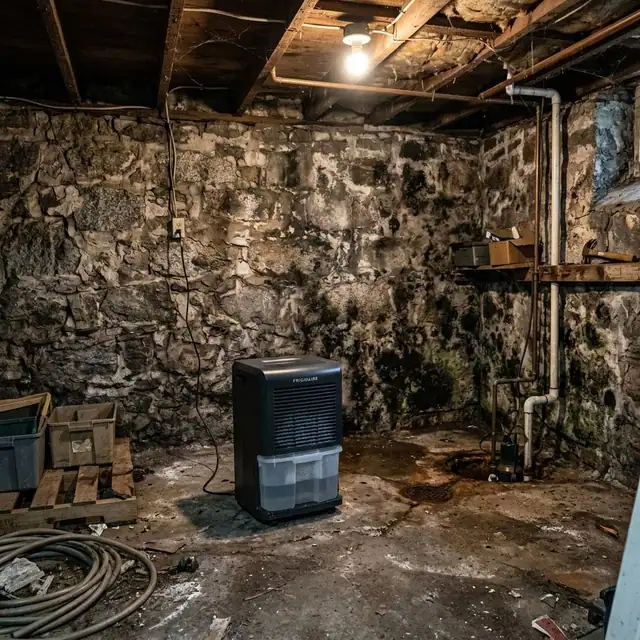
If you only paint over visible mold without addressing the moisture problem, you are not fixing the cause. The mold will return, and it may spread to other areas. The key is to find and eliminate the source of moisture. This could mean improving ventilation by installing an exhaust fan, fixing leaks, wiping down wet surfaces after showers, or using a dehumidifier in the bathroom.
Health Risks of Mold Exposure
Bathroom mold is more than an eyesore. Exposure to mold spores can cause respiratory issues, allergies, and other health problems. People with asthma, allergies, or weakened immune systems are particularly vulnerable. When you paint over mold, you do not remove the spores. They remain in the environment, and the paint layer can eventually break down, releasing spores back into the air. This is why a thorough removal process is important for both the appearance and the safety of your bathroom.
Some mold species produce mycotoxins, which can be harmful when inhaled or touched. While not all bathroom mold is toxic, it is best to treat any mold growth with caution. Wearing protective gear like gloves, goggles, and a mask when cleaning mold is a good practice. If you have a large or recurring mold problem, professional help may be necessary.
Proper Mold Remediation Steps
To truly get rid of bathroom surface mold, you need to follow a few key steps. First, identify and fix the moisture source. This might involve repairing a leak, improving ventilation, or sealing gaps around tiles and fixtures. Without this step, any cleaning is just a temporary measure.
Next, remove the mold using an appropriate cleaner. For small areas, a solution of water and detergent or a commercial mold cleaner can work. Scrub the affected area with a brush, then rinse and dry it thoroughly. For porous materials like drywall or grout, mold can penetrate deep below the surface. In those cases, the material may need to be cut out and replaced. Simply cleaning the surface will not remove the mold roots.
After removal, treat the area with a mold-inhibiting primer or paint. These products contain antimicrobial agents that help prevent future growth. But they are only effective if the moisture problem is resolved. If the bathroom remains damp, mold will eventually find a way to grow again.
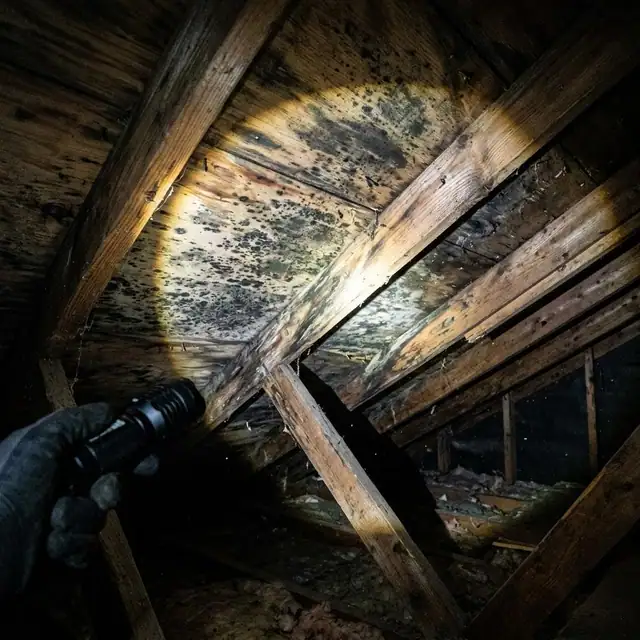
For larger infestations, or if you are unsure about the extent of the problem, hiring a professional service is advisable. Professionals have the equipment and expertise to assess the situation, remove mold safely, and recommend long-term solutions. Mold Removal Boston Pros, for example, focuses on remediating bathroom mold by addressing visible growth, hidden moisture, damaged materials, and ventilation problems. Their approach goes beyond surface cleaning to tackle the full scope of the issue.
When to Call a Professional
Deciding whether to handle mold yourself or call a professional depends on several factors. If the affected area is small, less than about three feet square, and you can identify and fix the moisture source, DIY cleaning might be enough. But if the mold covers a large area, if you suspect it is growing inside walls or behind fixtures, or if anyone in the household has health issues, professional remediation is the safer choice.
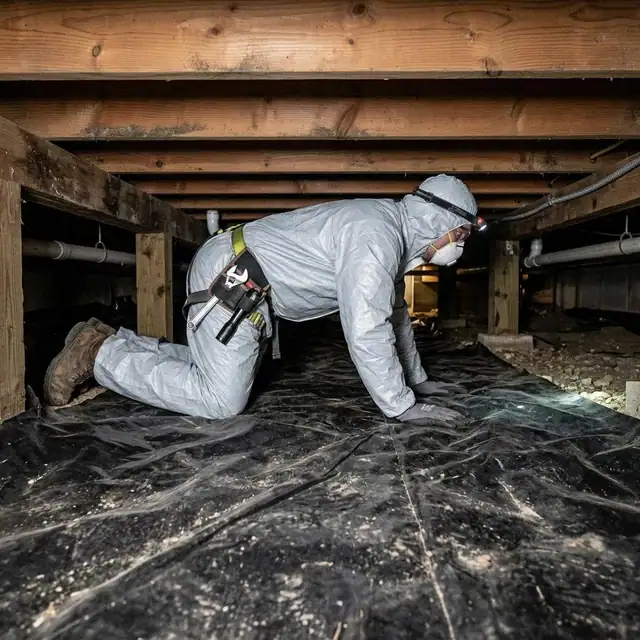
Professionals use specialized equipment like HEPA vacuums, air scrubbers, and moisture meters to ensure that all mold is removed and the area is thoroughly dried. They can also provide guidance on preventing future mold growth, such as recommending better ventilation or moisture-resistant materials for renovation projects.
Preventing Mold in the Bathroom
Prevention is more effective than remediation. Simple habits can make a big difference in keeping bathroom mold at bay. Here are a few practical steps:
- Use the exhaust fan during and after showers for at least 15 minutes to remove humid air.
- Wipe down wet surfaces like shower walls and curtains after each use to reduce moisture.
- Fix leaks promptly, including dripping faucets and running toilets.
- Keep the bathroom door open when not in use to allow air circulation.
- Seal grout and caulk around tiles and fixtures regularly to prevent water infiltration.
These actions help keep the bathroom dry and less hospitable to mold. Even with good habits, it is worth inspecting the bathroom periodically for signs of moisture or mold, especially in corners, behind the toilet, and around the shower base.
The Bottom Line
Painting over bathroom surface mold is a short-term cover-up that does not address the real problem. The mold will return unless you eliminate the moisture that feeds it and remove the mold entirely. A combination of fixing leaks, improving ventilation, cleaning thoroughly, and using mold-resistant materials can keep your bathroom mold-free. For persistent or extensive mold, professional help from a service like Mold Removal Boston Pros can provide a lasting solution. They understand the full picture of bathroom mold, from visible growth to hidden moisture and damaged materials.
Taking the time to do the job right the first time saves you from repeated painting and possible health issues down the road. Mold is a symptom of a bigger moisture problem, and treating the symptom without the cause is a losing battle.